Confessional Culture Is a Con: The Uncomfortable Truth About 'Raw' and 'Real' Online
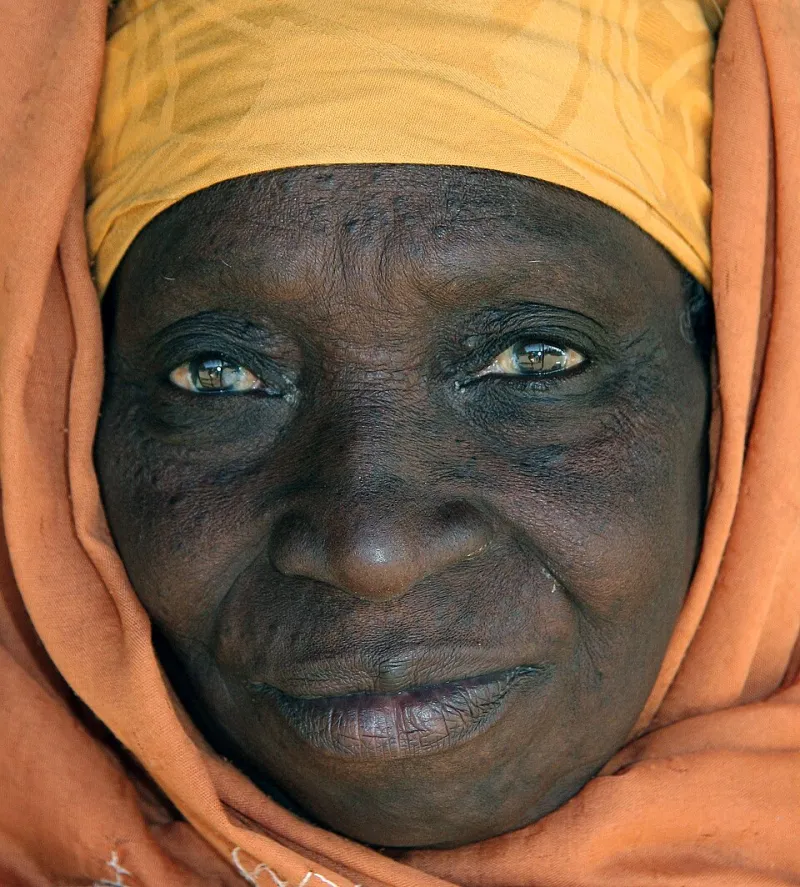
Photo: Ferdinand Reus, CC BY-SA 2.0, via Wikimedia Commons
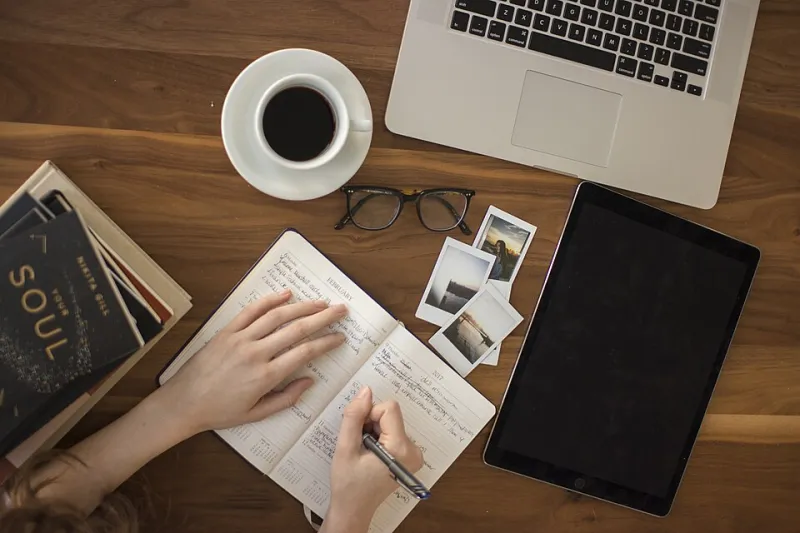
There's a creator you probably follow. Maybe she posts those soft-lit morning videos — messy bun, no makeup, coffee in hand — telling you she's "done pretending" and ready to "show up authentically." She looks completely unguarded. She also has a ring light just out of frame, a content calendar on her desk, and a brand deal dropping in three days.
None of that makes her a bad person. But it does make the whole thing a little complicated.
We are living through peak authenticity culture, and it has officially eaten itself. The demand to be "real" online has become so loud, so relentless, and so monetizable that realness itself has transformed into a carefully managed aesthetic. And if you've ever felt vaguely exhausted by the pressure to either perform your vulnerability or feel guilty for not doing it — you're not imagining things. That exhaustion is the point.
When Vulnerability Became a Content Strategy
Let's trace this back a little. The early social media promise was connection — a chance to show people your actual life instead of a highlight reel. That impulse was genuinely good. Then the platforms got smarter, the algorithms got hungrier, and someone figured out that confessional content converts.
Cry on camera, watch your engagement spike. Share a mental health struggle, get a flood of comments calling you brave. Post a "no filter" selfie with a caption about self-acceptance, and suddenly you're a role model. The reward system trained people fast: raw content performs. So raw content became a genre.
Now we have an entire ecosystem built around performed rawness. The "this is so hard to share" posts that clearly took forty-five minutes to write. The "I'm not okay and that's okay" reels with a trending audio track underneath. The influencer breakdowns that happen to align with a product launch. None of this is inherently malicious — people contain multitudes, and something can be both genuinely felt and strategically timed. But let's be honest about what we're actually consuming.
The New Anxiety Nobody's Naming
Here's what the authenticity industrial complex has quietly done: it's created a brand-new category of social anxiety. Used to be you felt bad for not looking perfect online. Now you feel bad for not being broken enough online. Or broken in the right way. Or willing to talk about your breaking.
Regular people — not influencers, just people with Instagram accounts — are absorbing this pressure too. There's this ambient sense that if you're not sharing your struggles, your therapy breakthroughs, your complicated family dynamics, your body image journey, then you're somehow being fake. Like privacy is the new dishonesty.
That is a wild thing to have collectively agreed to, and we should probably talk about it.
Keeping things to yourself is not the same as lying. Having a rich interior life that you don't broadcast is not repression. Choosing not to process your grief in a caption is not avoidance. Sometimes the most truthful thing a person can do is say: this is mine, and I'm not sharing it.
The Algorithm Doesn't Care About Your Healing
Here's the part that really gets under my skin. The platforms that have normalized and encouraged this confessional culture are not doing it because they care about your wellbeing or your community's connection. They're doing it because emotional content keeps people scrolling. Your vulnerability is engagement data. Your healing arc is a retention strategy.
Instagram, TikTok, YouTube — they've all figured out that parasocial intimacy is one of the stickiest things on the internet. When a creator makes you feel like you know them, like they trust you with the messy stuff, you come back. You feel loyal. You buy what they recommend because it feels like a friend suggesting it, not an ad.
This doesn't mean every creator who shares personal content is cynically manipulating you. Plenty of people share genuinely, find real community, and create actual value. But the structure of these platforms rewards a specific kind of performed openness, and that structure shapes what gets made and what gets amplified. The house always wins.
So What's the Actually Honest Move?
If performing authenticity is just another performance, does that mean we should all go back to posting curated brunch photos and pretending everything is fine? Not exactly.
The move isn't to overcorrect into artifice. It's to get really clear about your own reasons for sharing anything at all. Are you posting that vulnerable caption because it might genuinely help someone? Because you want to process something communally? Because it feels true and you want it out in the world? Those are all valid reasons.
Or are you posting it because the algorithm rewards it, because you want the validation rush of being called brave, because you feel vaguely obligated to prove you're not hiding anything? Those are worth sitting with.
The most subversive thing you can do in an authenticity-obsessed culture might actually be to develop a strong, private sense of self that doesn't need external validation to feel real. To share selectively and intentionally. To let some things be just yours.
You Don't Owe Anyone Your Inner Life
This is the part I really want to land: you do not owe the internet your inner life. Not your therapy sessions. Not your relationship problems. Not your body. Not your grief. Not your joy, even, if you'd rather just feel it instead of document it.
The pressure to perform authenticity is just the highlight reel pressure in a different outfit. It's still asking you to shape your actual experience around what plays well for an audience. It's still asking you to be a character — just a more relatable one.
Real life is mostly private, mostly unposted, mostly happening in rooms without ring lights. The most honest version of you probably doesn't have a consistent aesthetic or a content calendar. And that version? You don't have to share her if you don't want to.
That's not inauthenticity. That's just being a person.