Your Fancy Serums Have an Expiration Date — Your Credit Card Bill Doesn't
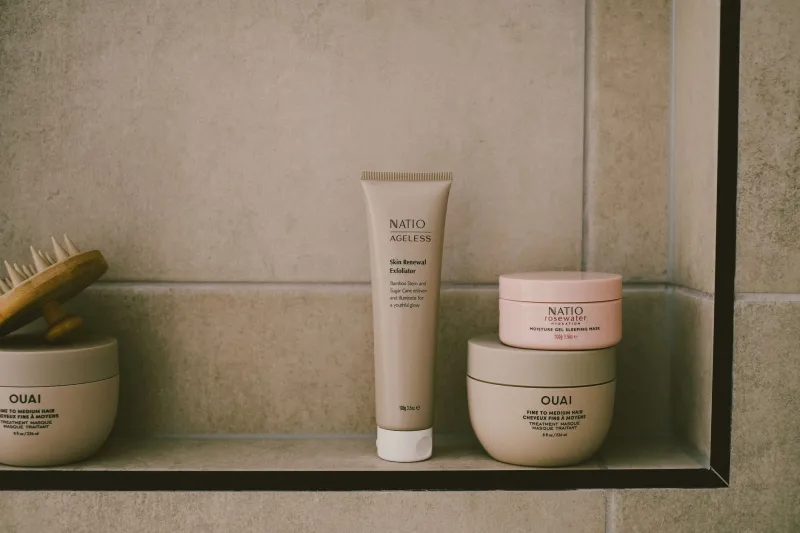
Let's talk about the graveyard. You know the one. It's on your bathroom shelf, behind your medicine cabinet door, maybe shoved under the sink in a sad little basket you bought to make the chaos look intentional. It's full of half-used vitamin C serums that turned orange-brown sometime around last spring. A retinol you bought during a late-night Sephora spiral that you used exactly four times before it "broke you out." A $90 eye cream that's been open since before you moved apartments.
We've all got one. And the beauty industry is counting on it.
The 'Investment Piece' Myth, Unpacked
Somewhere along the way, skincare marketing borrowed vocabulary from the finance world. Products stopped being things you bought and used — they became investments. Long-term. Strategic. Worth the upfront cost because of the future returns.
It's a clever rebrand, honestly. Calling a $180 peptide serum an "investment" reframes the guilt of spending that much on something you rub on your face. It implies permanence, value retention, wisdom. But here's the thing investments are supposed to do: hold their value over time. Your serum? It literally cannot do that.
Most active skincare ingredients — vitamin C, retinoids, AHAs, BHAs, benzoyl peroxide — have a shelf life of six to twelve months once opened. Some degrade even faster when exposed to air and light, which, if you've ever left a bottle on a sunny bathroom counter, means you're working against the clock from the second you crack the seal. The science on this isn't hidden. It's just not loudly advertised by the same brands charging you triple digits for a one-ounce bottle.
The PAO Problem Nobody's Talking About
Every cosmetic product sold in the US is technically required to indicate how long it's safe to use after opening. That's what the little open-jar symbol on your packaging means — it's called the Period After Opening, or PAO, and it's usually printed with a number like "6M" or "12M." Six months. Twelve months.
But here's where it gets murky: there's no federal law in the US requiring cosmetics to carry an expiration date the way food or pharmaceuticals do. The PAO is a guideline, not a hard deadline, and brands set it themselves. So a company can technically print "24M" on a product, sell it to you as a long-haul investment, and leave you thinking you've got two years to work through it — even if the active ingredients lose potency well before that.
And the packaging itself often works against you. Dark glass, minimal labeling, deliberately aesthetic design — all of it makes it harder to track when you opened something. A lot of us aren't writing the date on our bottles with a Sharpie (though, genuinely, you should start). Brands know this. The less you track, the more you rebuy.
The Reformulation Carousel
Here's another layer to the scam: reformulations. If you've ever sworn by a specific product for years and then suddenly felt like it stopped working, you're not imagining things and you're not developing tolerance. There's a decent chance the formula quietly changed.
Brands reformulate constantly — to cut costs, respond to ingredient trend cycles, comply with new regulations, or just keep things feeling "new." They rarely announce it loudly. Sometimes the packaging changes slightly. Sometimes nothing changes on the outside at all. But the product you fell in love with? Gone. Replaced by something close enough to avoid a PR crisis, but different enough that your skin has to start over.
This is especially common with cult-status products that have been on the market for years. The original formula that earned the five-star reviews gets gradually altered, and suddenly the thing you've been "investing in" for a decade is a stranger wearing a familiar label.
Your Bathroom Is Not a Skincare Cellar
Wine gets better with age. Skincare does not. Yet somehow we treat our product collections like a cellar — aging things, hoarding things, holding onto things because we spent too much to throw them away.
Sunk cost fallacy is a real psychological trap, and the beauty industry exploits it beautifully. You spent $75 on a serum you don't love? You'll keep using it past its prime because throwing it away means admitting the purchase was a mistake. You'll use it sparingly to make it last longer — which ironically means it's sitting open and degrading for even more months. You'll convince yourself it's still working because the alternative is accepting a loss.
Meanwhile, your skin is getting subpar results from a compromised formula, and the brand has already moved on to selling you the "updated" version with a new hero ingredient.
What Actually Holds Its Value
Not all skincare is a bad deal — but the ones worth spending on tend to be the boring ones. Fragrance-free moisturizers with simple formulations. Mineral sunscreens in opaque, airless packaging. Gentle cleansers without a dozen actives fighting each other for attention.
These aren't the products that get editorial coverage or influencer posts. They don't have a compelling origin story or a celebrity co-sign. But they're stable, they work consistently, and you'll actually finish the bottle before the formula has a chance to turn on you.
The "investment" framing works best on products with dramatic before-and-after claims — the serums, the treatments, the targeted solutions. Those are also, not coincidentally, the most unstable and the most expensive. Funny how that works.
How to Stop Feeding the Cycle
You don't have to swear off nice skincare to opt out of this particular racket. But a few habits can go a long way toward not getting taken:
Date your products when you open them. A piece of masking tape on the bottom of the bottle takes ten seconds and saves you from the "wait, when did I open this?" spiral six months later.
Buy sizes that match your actual usage. If you use a pea-sized amount of retinol every third night, you do not need the jumbo size. The per-ounce savings mean nothing if you can't finish it before it expires.
Look up the PAO before you buy. If a brand isn't transparent about shelf life or makes it genuinely hard to find, that's information.
Stop treating the shelf as a collection. You are not curating a museum. Products are meant to be used, finished, and replaced — not displayed until they quietly die.
The beauty industry will keep selling you the dream of the long-term payoff. The serum that changes everything if you just commit to it. The routine that pays dividends over years. It's a compelling story. It's also designed to keep your credit card number on file and your bathroom shelf perpetually full.
Your skin deserves products that are actually still active when they touch your face. That's not a luxury ask. That's just the baseline.